Tolkien passed 46 years ago, on 2 September 1973, but there is still a chance to build a collection of items connected with his long life. I’m going to tell you about mine.
Guest post /// Tolkien Memorabilia by Constantin Pirozhkov.
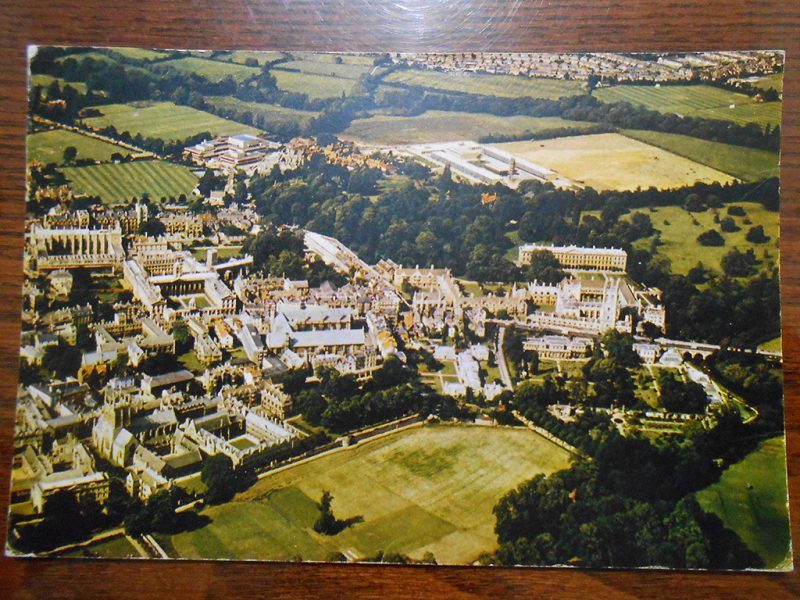
Tolkien passed 46 years ago, on 2 September 1973, but there is still a chance to build a collection of items connected with his long life. I’m going to tell you about mine.
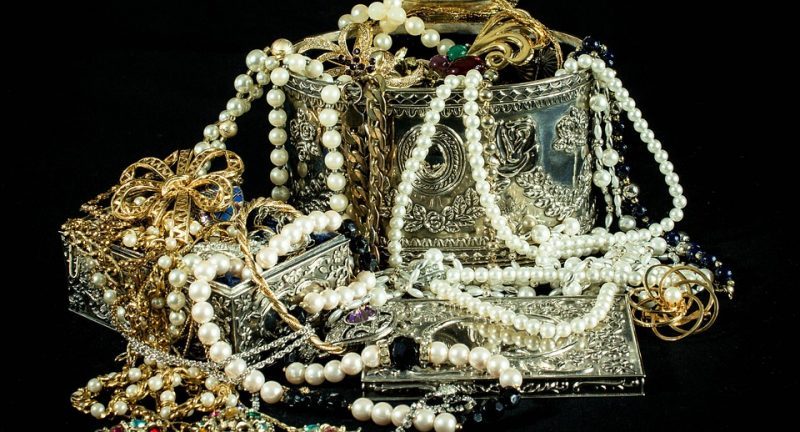
During the course of his life J. R. R. Tolkien composed a lot of poems. He tried his hand at various styles, applying them successfully to show where the poem belonged, what inspired it or which culture it could be related to. One of the most interesting examples of Tolkien’s verse is The Hoard.

Language creation was one of the greatest interests that J. R. R. Tolkien had in his life. The Professor’s stories were closely connected with his invented tongues which were an integral and vital part of the whole mythology of Arda. There are a lot of various aspects to look at Tolkien’s language creation from, so to begin with the exploration of this amazing manifestation of his creativity, I am going to look into what makes Tolkien’s languages resemble those we speak in our world.

Very often weather can play an important role in narratives and become a major player in certain episodes. Natural phenomena can either help or hinder characters in different stories and thus influence the course of events greatly.
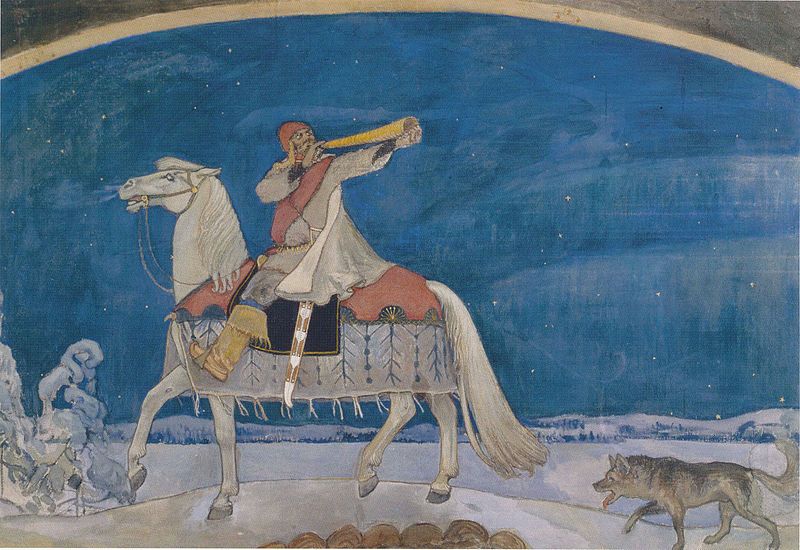
As a gifted and prolific philologist, J. R. R. Tolkien had great love of languages. During his life he studied many tongues of old: Gothic, Old English, Old Norse, and for Tolkien the languages were closely connected with the tales of the people who spoke them. Those tongues and tales influenced him, all in different ways, but one thing remains: Tolkien realised very well that language and mythology form one inseparable whole, and this interdependence permeates his own mythology of Middle-earth which rose out of his invented language.
Fëanor the Spirit of Fire was the most gifted of all the Elves in linguistic lore. He could use language so well that his speeches affected those who heard them and inspired them to do different, though not always sensible, things. Thus, being gifted with words and able to use them potently, Finwë’s eldest son was also exceptionally good at insulting others. Read more
Some time after the death of his wife Edith, J. R. R. Tolkien wrote to his son Christopher: Read more
Mortals’ attitude to Faërie and being there defines the nature of their experience in the Otherworld. Arrogance, impudence, importunity or inner evil, though unwitting at times, can lead to various degrees of disaster. What is the best way to approach Faërie then? There is a character in Tolkien’s writings who shows how mortals can visit the world of Elves happily, enjoy the experience and become enlightened by it. It is Smith from Wootton Major. Read more

“Faërie is a perilous land, and in it are pitfalls for the unwary and dungeons for the overbold”.
J. R. R. Tolkien (On Fairy-Stories)
When it comes to Faërie, mortals must exercise great care in dealing with it. While the land of eternal life and plenty presents a desirable destination for many, it is not fit for earthly beings, save for a temporary abode or occasional visits, most likely for a special reason and with a seal of approval from Faërie inhabitants themselves. Read more
