Hobbits are known as hearty eaters: they love food and are not ashamed of admitting that. Hobbits are very hospitable and fond of parties where food is usually plenty. On a usual day they may take up to six meals, if they can get that many. Besides, it is very common for hobbits to grow most of their own food and be able to cook very well.
The mill-o’-the-wheel.
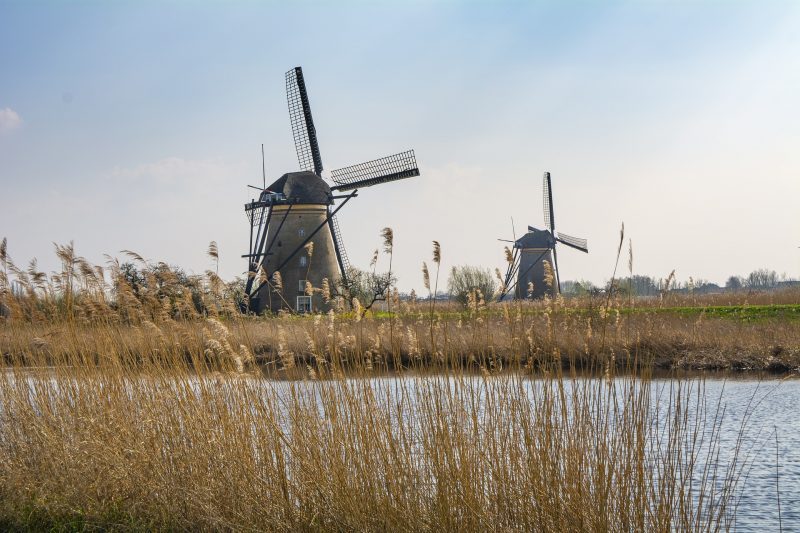
Some J. R. R. Tolkien’s stories contain unpleasant characters of different kinds, and in order to irritate a reader they do not even have to be at the forefront of the narrative. Sometimes it is enough for them to appear just a few times to leave a bitter aftertaste and a long-lasting impression. The millers of The Lord of the Rings firmly belong to this category.
Farmer Maggot: a stout friend.
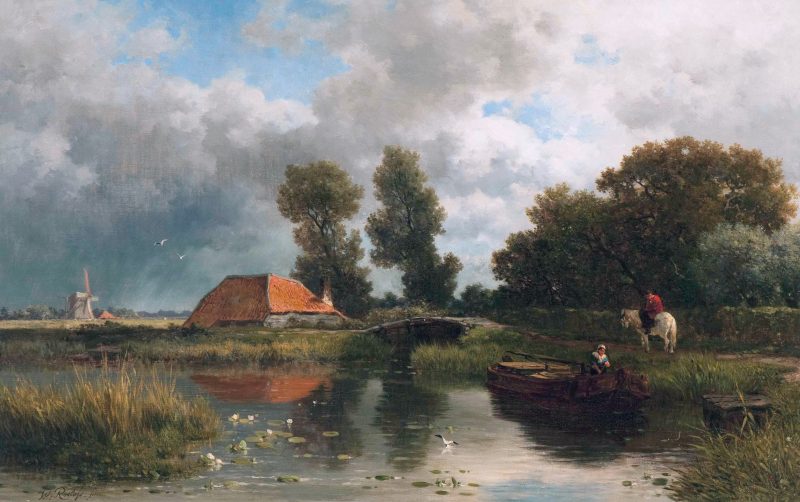
It is interesting how a dwelling place often matches the personality of its dweller. It is very often that an inhabitant imparts their own character to the place they live in, so the place becomes very much like the person that inhabits it. Once we look at Farmer Maggot and his farm, we see how well the similarities between the house and the dweller show. The Farmer is as perfect for Bamfurlong as Bamfurlong is perfect for him.
On Hobbits.
Hobbits are incredibly interesting folk who, keeping in mind their absence from the public eye in the Elder Days, First and Second Ages, come to play a huge role in the events of the Third. After The Hobbit came out in 1937, readers were eager to learn more about Hobbits and this public interest called for the sequel. The Hobbits’ adventures in The Lord of the Rings are very different from those of Bilbo Baggins, but they still show them as remarkable folk who deserve our greatest attention. Let’s have a look at the collection of facts, some of which I shared as part of my 1 like = 1 Hobbit fact interactive on Twitter on October 25. It is by no means a full list, so I encourage you, my dear readers, to share your favourite Hobbit facts in the comments below. Read more
Like dwellers, like land.
There are various places around Middle-earth, and very often we see that the dwellers of a certain land and the land itself are a good match for each other. There can be observed a particular interdependence between an area and its inhabitants, but is it the land that shapes the dwellers or vice versa? Read more
It’s Yule time!
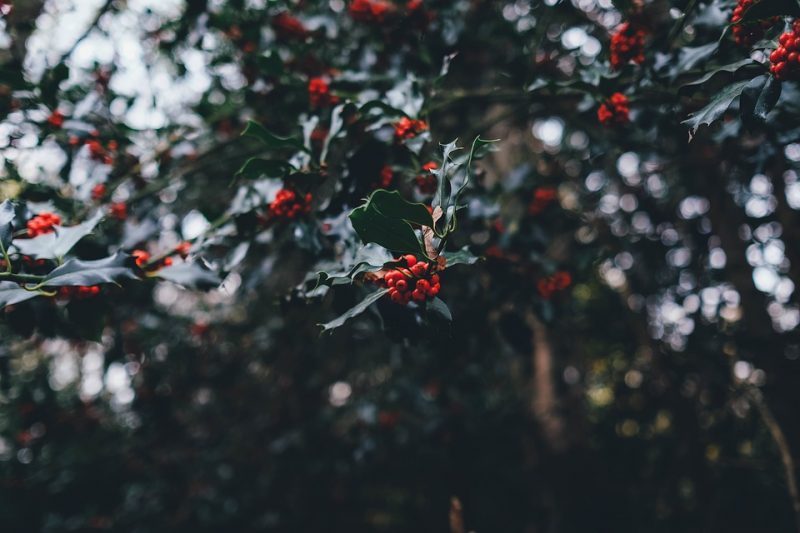
With December nearing its end and the New Year drawing closer, it is high time to look into one of the most important and merriest celebrations in Hobbits’ culture - the holiday of Yule.
Read more
When nature strikes back.
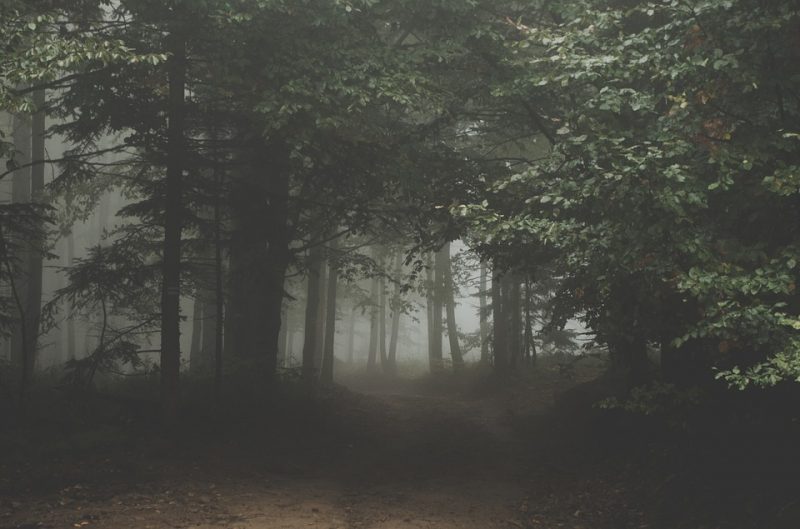
In all my works I take the part of trees as against all their enemies.
(J. R. R. Tolkien, Letter № 339)
I love nature. For me nothing can beat a walk in a forest or a park as far from the noise of the big city as possible and preferably in the closet proximity of any body of water. Imagine my disappointment when on one of my visits to my country house I discovered that the forest surrounding our small settlement was being cut down. Looking at the huge mighty trees being felled I felt helpless, angry and wished for one thing only: I wanted the forest to strike back at its wrongdoers, just like it did in The Lord of the Rings.
The matter of Elvish time.
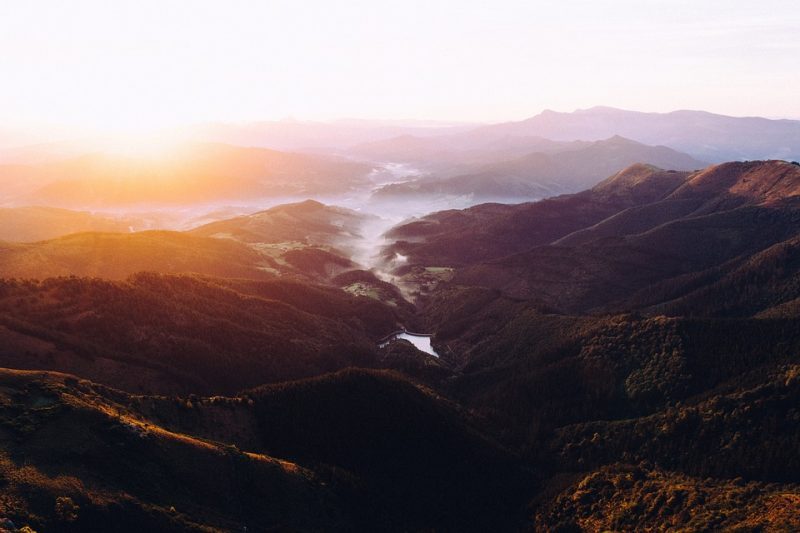
In the Third Age there remained only a few Elvish realms around Middle-earth. They were the places of uttermost beauty and peace as well as among the safest places in the land. In The Lord of the Rings we see Frodo and the company stay a while at Rivendell and Lothlórien - the realms that, among many gifts, brought them spiritual and physical rest, peace of mind and comfort if only for a while.
 Middle-earth Reflections