J. R. R. Tolkien never seemed to choose words accidentally. He was careful when assigning references to characters or places to convey various shades of meaning that might not be obvious straight away. It is also the case with how the Professor used the word sorcerer and its various derivatives in his books.
Fëanor the linguist.
In his tales J. R. R. Tolkien stated that Fëanor was the greatest of the Noldor in all features of his personality: body, mind, hands. Even though tainted by his arrogant, proud, fierce character and evil deeds, Fëanor’s talents were undeniable, and he made a great contribution to various aspects of Elvish culture. One of the fields which Fëanor was especially gifted in was languages.
The weavers of words.
J. R. R. Tolkien was a gifted philologist: not only did he know his subject exceedingly well, but he also had an innate ability to understand and perceive tongues. Language matters are tightly interwoven into Tolkien’s tales, and they, as the Professor himself stated, were “fundamentally linguistic in inspiration” (Letters, № 165). Thus, it is only natural that Arda had its own talented linguists, and they were the Elves.
Come, athelas!
In J. R. R. Tolkien’s world of Arda names bear a great significance. Characters, objects or places are called what they are for a reason, and that is rarely a coincidence: names accurately describe the nature of whatever or whoever they were given to. The healing plant athelas is no exception.
The unfailing light.

‘And you, Ring-bearer,’ she said, turning to Frodo. ‘I come to you last who are not last in my thoughts. For you I have prepared this.’ (Fellowship of the Ring, p.495 ). The parting gift from Lady Galadriel to Frodo was a small crystal phial filled with the light of Eärendil’s star. Little did the Hobbit know then the potency and power of the gift and how helpful it would be to him and Sam on their dark road.
The mill-o’-the-wheel.
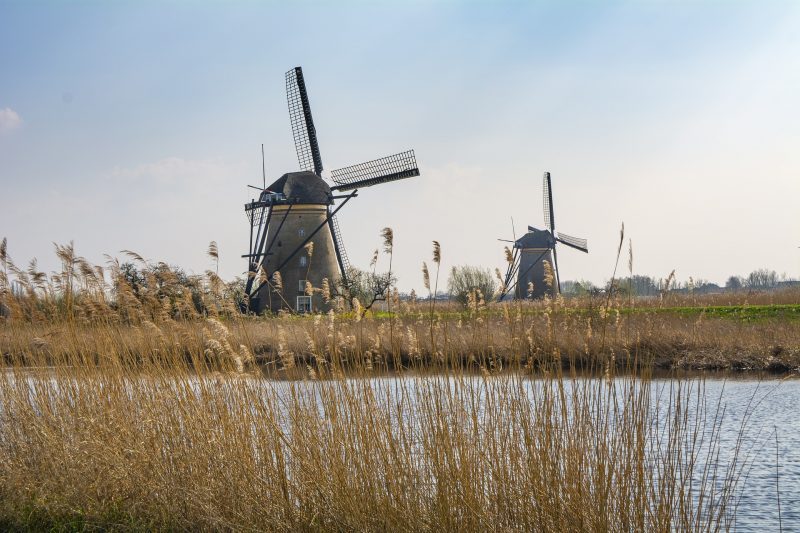
Some J. R. R. Tolkien’s stories contain unpleasant characters of different kinds, and in order to irritate a reader they do not even have to be at the forefront of the narrative. Sometimes it is enough for them to appear just a few times to leave a bitter aftertaste and a long-lasting impression. The millers of The Lord of the Rings firmly belong to this category.
On Estel.

The Firstborn Children of Ilúvatar, Elves, are fair and wise, possess great knowledge and supreme skills in crafts, are gifted in creating new things and versed in lore. All of these are native to their nature and being. Another aspect of Elvish essence that makes them very different from other dwellers of Middle-earth is their special outlook on life based around hope.
The Shepherds of the Trees (Part II)
J. R. R. Tolkien’s love of nature and, especially trees, was well-known. He drew inspiration from the green growing things and was undoubtedly saddened by the damage humans could inflict on the natural world. During his life Tolkien witnessed the unflattering change of certain landscapes due to the merciless strides of technological progress, and that could not leave him indifferent.
The Shepherds of the Trees (Part I).
There are a lot of characters in Tolkien’s works that are connected with nature in one way or the other. Whether they are those that care deeply about nature, or are part of the natural world themselves, Tolkien made sure to give them quite a prominent voice in his tales. One of the best representatives of the sentient nature is the race of the Ents.
