Smith of Wootton Major is a short tale, but despite being so it is filled up to the brim with ideas, beliefs and concepts that J. R. R. Tolkien held on the realm of Faery and fairy-stories. Read more
Reading Smith of Wootton Major /// Part I.
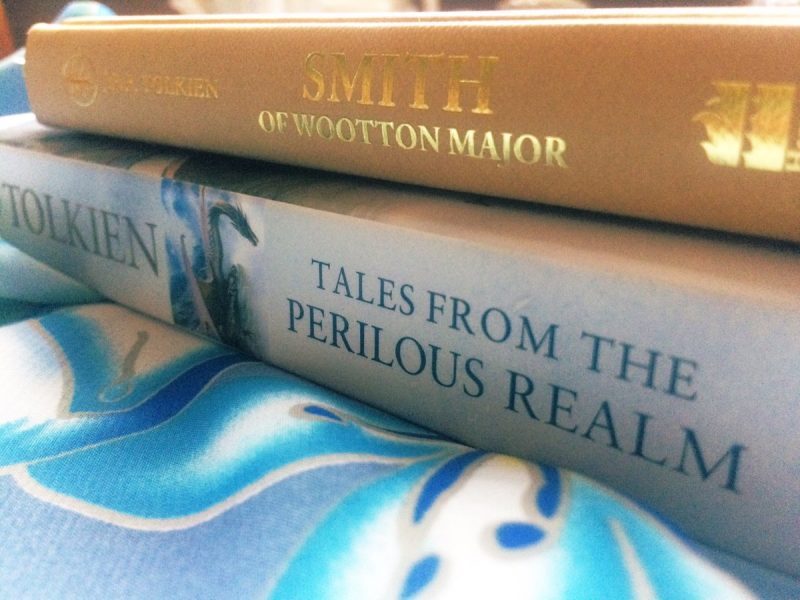
Smith of Wootton Major is a short tale, but despite being so it is filled up to the brim with ideas, beliefs and concepts that J. R. R. Tolkien held on the realm of Faery and fairy-stories. Read more
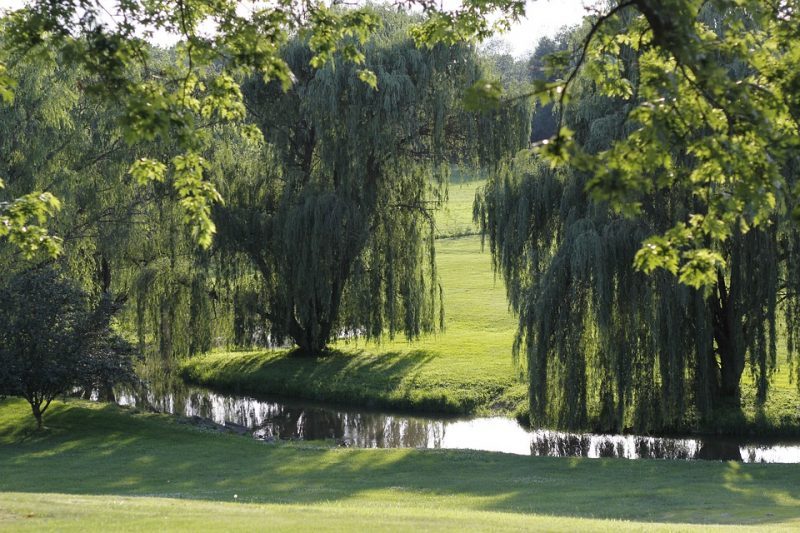
Professor Tolkien was a great lover of nature: he was keenly aware of the flora around him, loved trees profoundly and respected them. Thus, trees and various plants appear in his books extensively, and are far from being in the background of events.
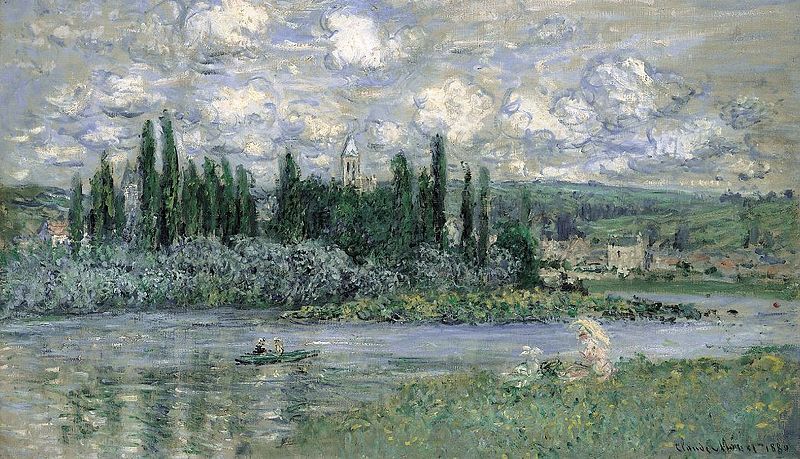
Those who read Tolkien deeply and wish to discover more about his Legendarium could have noticed the word Gnomes in the early versions of the tales that the Professor used to refer to the Elves known as the Noldor. Later, though, he abandoned the term opting only for the Quenya word Noldor instead. This change has a history.
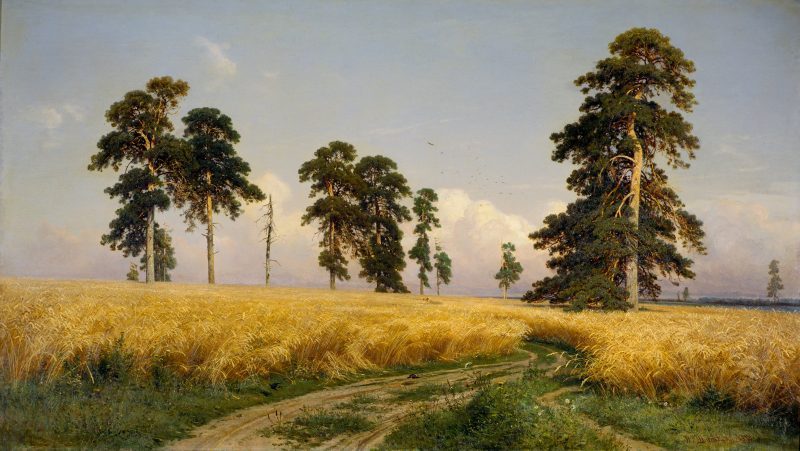
Reading books where characters go on a quest or an adventure usually have a great appeal to most readers. It is not surprising: travelling to different places, whether in your imagination by means of a book or physically in reality, has always been especially thrilling.
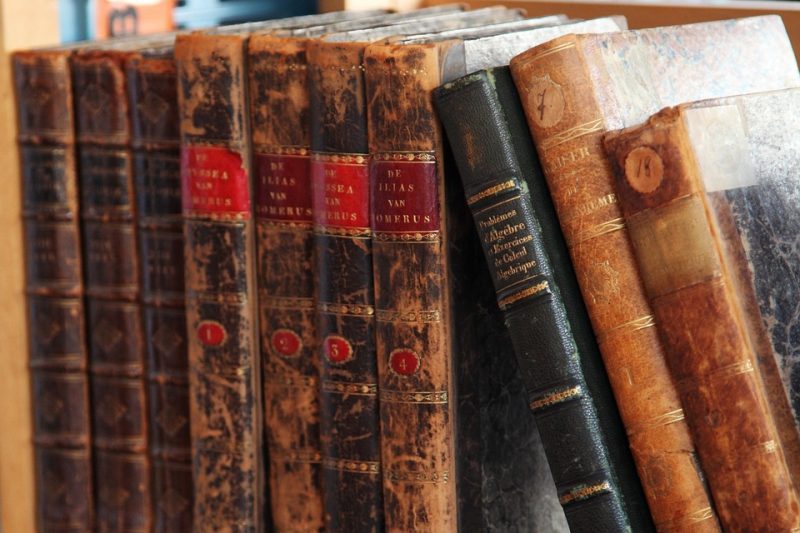
Language creation was one of the greatest interests that J. R. R. Tolkien had in his life. The Professor’s stories were closely connected with his invented tongues which were an integral and vital part of the whole mythology of Arda. There are a lot of various aspects to look at Tolkien’s language creation from, so to begin with the exploration of this amazing manifestation of his creativity, I am going to look into what makes Tolkien’s languages resemble those we speak in our world.
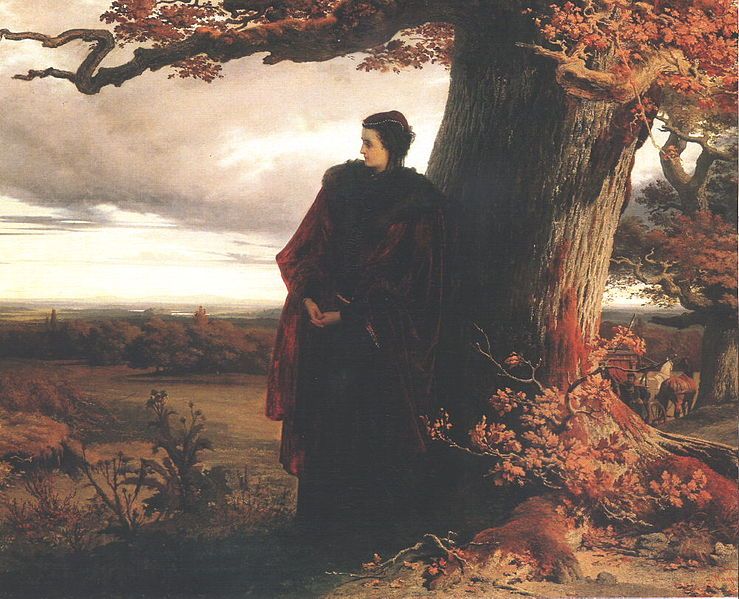
Unions between immortal Elves and mortal Men were rare in Middle-earth: the fates of these two kindreds are very different to be interwoven easily. When Elves and Men did intermarry, it was usually for a high, noble purpose, but had a sorrowful end.
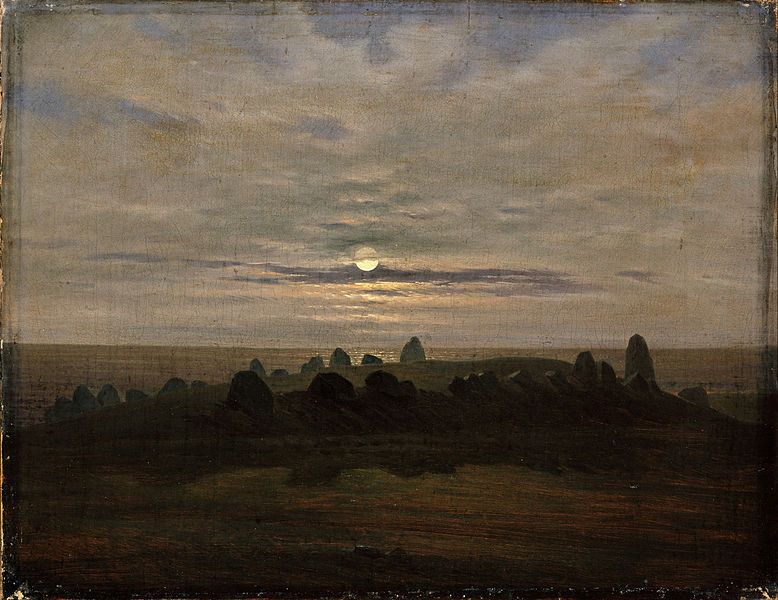
Very few readers are left unimpressed when they, together with Frodo, Sam, Merry and Pippin, lose their way in the fog on the Barrow-downs and become trapped in the mound by the Barrow-wights. These creatures are horrible and horrifying, and appear even more so as we do not fully understand what they are exactly. So, what are these wights and where do they come from?
There are many creatures in Tolkien’s Legendarium that come across as uncanny and downright scary. The Nazgûl definitely belong to this category. Also known as the Ringwraiths, they send panic and fear before them, and this name — Ringwraiths — has hidden clues to their nature.
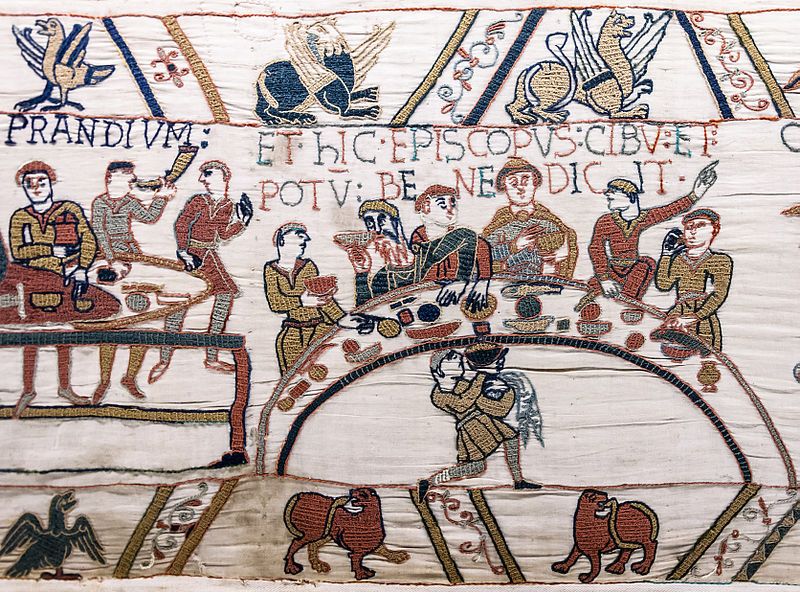
Interrupted feasts make a recurring theme in Tolkien. Some of these are minor interruptions, like Dwarvish intrusions into Elvish merrymakings in Mirkwood: they cause mostly annoyance to the Elves, rather than present a serious threat. Other feast interruptions to be found in Tolkien’s tales are far from being annoying trifles and have serious social implications.
